An idea for TryitAI.com
An AI Practice Workshop
Create small workplace sessions where beginners finish an administrative exercise and explain the human edits that make it usable.
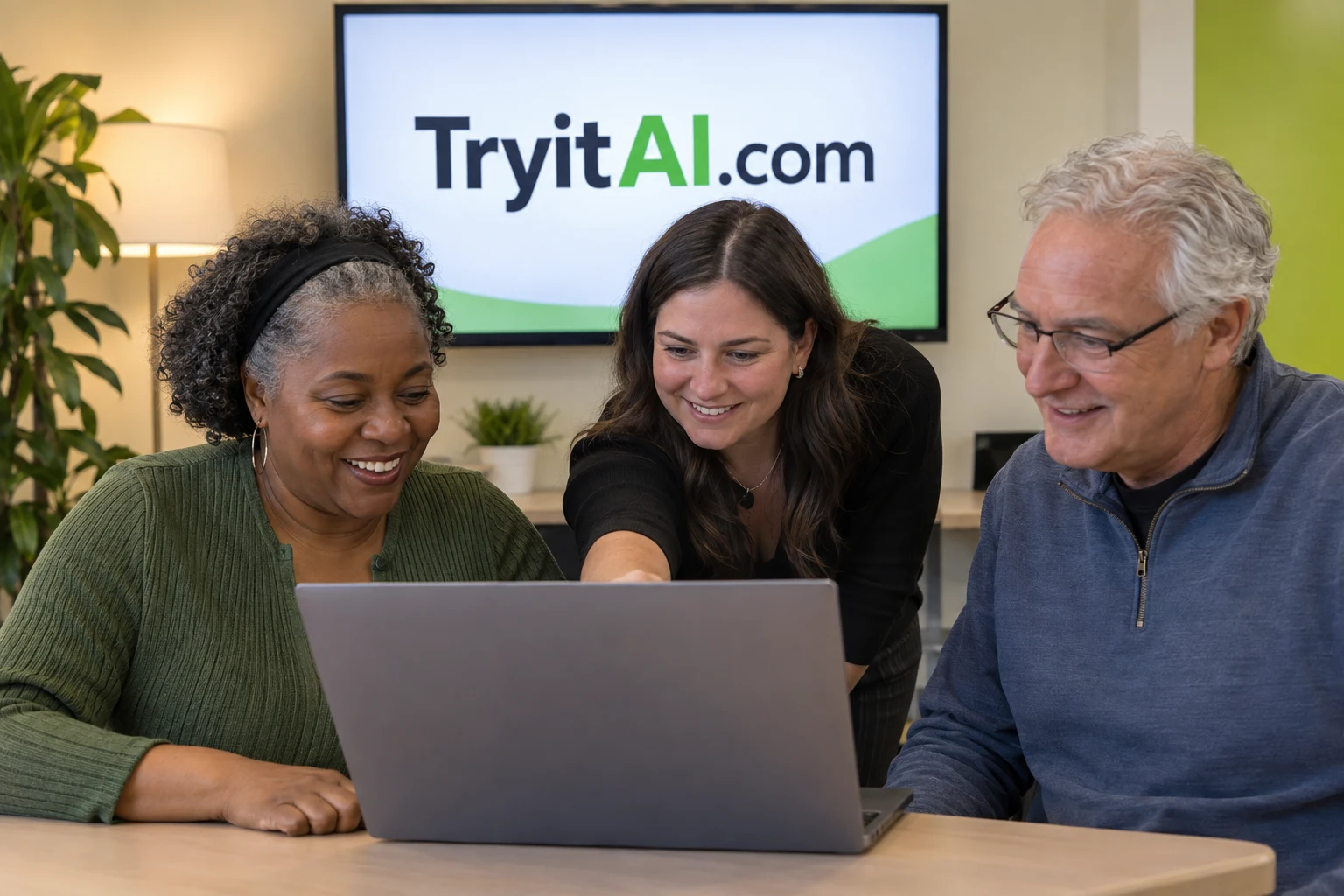
A first workplace AI session needs a finish line. People should leave with a task they have completed, an answer they have checked and a clear sense of when to ask for help. A workshop built around that outcome could be a practical use for TryitAI.com.
This is an illustrative business concept, not an available training program. The proposed business would sell facilitated sessions to managers responsible for introducing approved AI tools to nontechnical teams. Its value would sit in the preparation and the practice: choosing a suitable exercise, making participation possible and helping people examine an imperfect result.
Choose a buyer with a specific need
A small company's operations lead could be the initial buyer. The team might already have access to an approved assistant but lack a shared way to use it. A general presentation about the future of work would leave that immediate problem unresolved. A session on drafting an internal meeting agenda gives the manager a smaller, testable purchase.
Before agreeing on the exercise, the facilitator would ask what tools the organization permits, who can approve their use and what information must stay out of them. Those answers determine the session design. If the tool is not approved for employee use, the engagement would need to remain a demonstration with prepared outputs until the organization resolves access.
Package one finished exercise
The first offer could be a short preparation call, a small live workshop and a reusable practice sheet. The customer would receive the sample input, a plain-language prompt, a review checklist and an example of an edited final answer. The package could also include a manager's note describing what the session covered and what still requires organizational decisions.
For a fictional administrative team, the exercise might turn a set of invented project updates into a thirty-minute meeting agenda. The input would name three topics, one unresolved decision and a time limit. Participants would ask an assistant for a draft, compare it with the source and change one instruction to improve the result. The completed artifact would be an agenda they can explain, not merely a screenshot of generated text.
The learning goal should remain separate from any productivity claim. A single workshop would not establish that a team saves a particular number of hours. It could establish whether participants can identify an unsupported addition in the practice material and make a suitable correction.
Build the session around participation
The facilitator would demonstrate the first step briefly, then let participants attempt it. A prepared example would keep the session moving if login problems interrupt access. Pair work could be offered to people who prefer to observe before typing, with a clear chance to switch roles. Nobody should have to disclose private work just to contribute.
UNESCO's guidance on generative AI in education emphasizes human agency and data privacy. For this proposed adult workplace workshop, those principles suggest practical design choices: use invented material, explain the purpose of the exercise and keep participants responsible for evaluating what they produce. The specific session format here is a suggested approach, not a UNESCO program.
A useful closing activity would ask each participant to explain one edit. “I removed the invented deadline because it was absent from the notes” reveals more about understanding than asking whether everyone enjoyed the tool. The facilitator could use these explanations to choose the next practice exercise.
Reach buyers through their existing groups
A credible first distribution path would be a local business association or an operations community. The business could offer a short public demonstration around the same fictional agenda exercise. Interested managers would see the teaching format before discussing a private team session. That demonstration would also expose unclear instructions and common access problems early.
The follow-up material should show the scope of the paid session, the expected group size and the preparation required from the customer. It should make the learning outcome specific enough for a manager to judge fit. Broad promises about transforming an entire organization would be harder to deliver and less useful for a first purchase.
TryitAI.com would suit the moment when the invitation becomes an exercise. It could work across workshop subjects while retaining the same practical tone. The business would still need a clear description of the intended audience on every landing page, since the name alone does not explain which workplace tasks are covered.
Plan for the unglamorous work
The operating requirements include facilitation skill, accessible materials, current familiarity with the chosen tools and a way to handle different levels of confidence. Preparation time belongs in the cost of delivery. So do rehearsals, access checks, customer coordination and revisions after the first sessions.
The business would need clear boundaries around sensitive tasks. A beginner administrative exercise should not turn into advice about a personnel decision or a customer's health situation. NIST's Generative AI Profile discusses risks arising from AI use and human interaction. The workshop's own scope should identify when participants need an authorized specialist or internal reviewer.
Test one session before making a curriculum
The pilot could involve a small consenting group working on one low-risk administrative task. Record whether the instructions were understandable, whether access worked and whether people could justify their final edits. Collect feedback about pacing separately from the exercise itself. A pleasant session and a completed learning goal are different observations.
Use the pilot to decide what should be repeated, shortened or taught in a later session. A larger curriculum can follow if there is a clear customer need and enough delivery capacity. Founders interested in developing this approach can start a domain inquiry. Acquiring TryitAI.com would provide the address; the workshop materials, customer relationships and delivery model would still need to be built.